
Top Areas to Caulk in Your Home
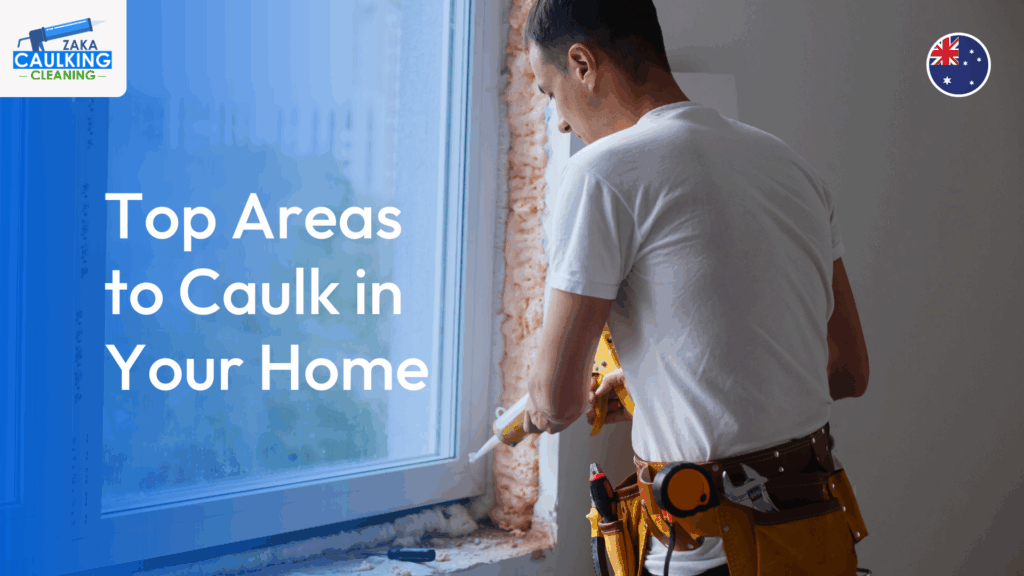
If you’ve been neglecting caulking around your home, it might be time to address this small but essential task. Caulking is one of the easiest and most cost-effective ways to ensure your home remains energy-efficient, moisture-resistant, and pest-free. Whether it’s sealing gaps around windows to keep drafts at bay or protecting your bathroom from water damage, caulking is your best friend when it comes to keeping your home in top shape. In this article, we’ll explore the top areas to caulk in your home, helping you prevent potential issues before they escalate. For professional caulking services in Australia, you can visit Zak Caulking & Cleaning, where experts will ensure that your home stays properly sealed and protected. What is Caulking and Why It’s Essential for Your Home Before diving into the specifics, let’s take a quick look at what caulking is and why it’s so important. In order to prevent air, water, and pests from getting inside or out of a variety of surfaces, caulking is a sealant that is applied to gaps and fissures. From silicone caulk to latex caulk, there are several types of sealants designed for different purposes. The proper caulking can lower the risk of mold and pest infestation, prevent water damage, and increase the energy efficiency of your house. Here’s why caulking is essential: It seals air leaks, helping you save on heating and cooling costs. It prevents moisture from getting into places where it can cause mold and mildew. It keeps pests from entering through small gaps and cracks. Top Areas to Caulk in Your Home Here are the top areas to caulk at your home : Area to Caulk Best Caulk Options Recommended for Windows and Doors Acrylic latex, Silicone Sealing drafts and energy efficiency Baseboards and Trim Painter’s caulk, Latex Prevent drafts, improve aesthetics Kitchen and Bathroom Fixtures Silicone Waterproof, mold-resistant Exterior Cracks and Gaps Polyurethane, Butyl Rubber Weather resistance, prevent water damage Pipes, Vents, Utility Lines Acrylic latex, Silicone Seal moisture and pest entry Shower and Tub Areas 100% Silicone Waterproof, prevent water damage Driveway and Garage Cracks Concrete caulk, Asphalt Seal cracks and prevent further damage 1. Drafty Windows and Doors One of the most frequent places for air to leak in a house is through windows and doors. If you’ve ever felt a cold draft near a window or door, you know exactly how much energy can be lost through these gaps. Because your HVAC system must work harder to maintain a constant inside temperature, drafty windows might result in higher energy costs. Caulking around these areas prevents warm air from escaping in the winter and cool air from escaping in the summer, ensuring your home remains comfortable year-round. Best Caulk for Windows and Doors: Use acrylic latex caulk or silicone caulk, which are both durable and flexible enough to withstand temperature fluctuations. 2. Baseboards and Trim Baseboards and trim frequently create tiny spaces between the molding and the wall. Although these gaps are frequently disregarded, they might result in drafts and an untidy look. By sealing these gaps with painter’s caulk or latex caulk, you can improve the look of your room and enhance your home’s energy efficiency. Best Caulk for Baseboards: Painter’s caulk is a great option since it’s flexible, paintable, and easy to apply. 3. Kitchen and Bathroom Fixtures In the kitchen and bathroom, water is constantly present, which means these areas are prone to water damage. Sealing the gaps around kitchen sinks, bathtubs, and countertops with caulking helps prevent water from seeping into cabinetry, walls, and flooring. Best Caulk for Wet Areas: Silicone caulk is ideal here due to its waterproof and mold-resistant properties. 4. Exterior Cracks and Gaps Your home’s exterior is exposed to harsh weather conditions, and cracks in siding, foundation, or roof flashing can lead to bigger issues if left unchecked. Water can seep into these cracks, causing mold, wood rot, and structural damage. Best Caulk for Exterior Use: Polyurethane caulk or butyl rubber caulk works well for exterior gaps due to its durability and weather resistance. 5. Around Pipes, Vents, and Utility Lines Gaps around pipes, vents, and utility lines can not only lead to energy loss but also provide a way for pests to enter your home. Sealing these gaps with caulk can keep out both cold air and pests. Best Caulk for Pipes: Acrylic latex caulk is ideal for sealing interior gaps around pipes, while silicone caulk can be used in areas exposed to moisture. 6. Shower and Tub Areas Water leakage is a common issue around bathtubs and showers, which can lead to mold and water damage. Caulking the seams between the tub, shower, and tiles is crucial to preventing water from seeping behind walls and flooring. Best Caulk for Showers and Tubs: 100% silicone caulk is the most durable and waterproof option for these areas. 7. Cracks in the Driveway and Garage Small cracks in your driveway or garage might seem insignificant, but they can lead to bigger issues if left untreated. Water can get into these cracks, causing further deterioration and creating even larger cracks. Best Caulk for Concrete Cracks: Use concrete caulk or asphalt crack sealant to fill these gaps and keep water from seeping in. 4. Common Caulking Mistakes and How to Avoid Them When caulking, there are a few common mistakes that can lead to ineffective results: Caulking over old caulk: Prior to applying a new layer, always remove old caulk. Failing to do so can cause the new caulk to peel or fail to adhere properly. Using the wrong caulk for the job: Make sure to use silicone caulk for areas exposed to moisture and latex caulk for interior applications like trim and baseboards. Not smoothing the caulk properly: After applying the caulk, smooth it with a damp finger or tool to ensure an even, neat finish. 5. How to Maintain Caulking in Your Home Caulking isn’t a one-time fix. Over time, it can crack, shrink, or peel, so it’s important
Interior vs. Exterior Caulking: What’s the Difference?
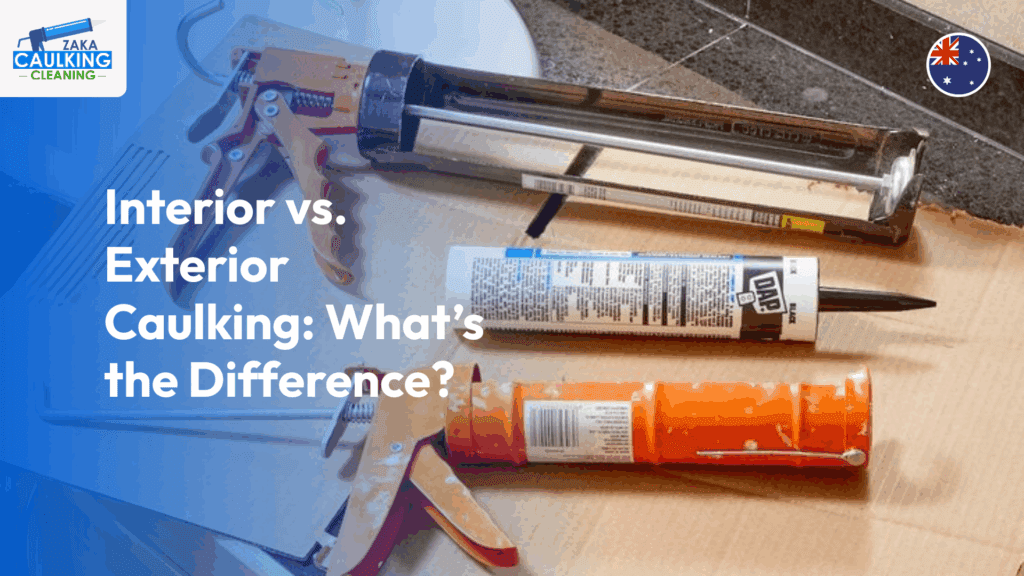
A often neglected yet crucial aspect of maintaining a home is caulking. Whether you’re sealing interior gaps to improve air quality or applying exterior sealants to protect your home from harsh weather, getting it right can make all the difference in the comfort, efficiency, and durability of your property. Interior vs. exterior caulking plays a crucial role in ensuring your home remains secure and energy-efficient. In this guide, we’ll break down the differences between interior and exterior caulking, provide expert advice on selecting the best caulk, and explore how proper application can significantly enhance your home’s longevity. Why Caulking Matters for Your Home Caulking isn’t just a cosmetic fix; it’s a practical solution for sealing gaps, protecting your home from water damage, preventing energy loss, and even keeping pests out. When applied correctly, caulking ensures that your home stays airtight and insulated, saving you money on energy bills while protecting the structure from wear and tear. Whether you are sealing windows, doors, cracks, or joints, caulking creates an extra layer of protection against the elements. While interior caulking prevents air leaks and improves energy efficiency, exterior caulking shields your home from rain, moisture, and UV rays. Understanding the key differences between these two types of caulking is essential for maximizing the benefits they provide. Understanding Caulking: What Is It and How Does It Work? Caulking involves applying a sealant to fill joints, seams, and gaps, keeping out air, water, and dust. While caulking and sealants are often used interchangeably, there is a technical distinction. Caulk is typically used for static, non-moving gaps, while sealants are more flexible and designed for joints that experience movement, like those around windows and doors. Types of Caulk and Sealants Here are the common types of caulk and sealants you’ll encounter: Type Ideal for Properties Silicone Caulk Bathrooms, kitchens, and windows Waterproof, flexible, UV resistant Acrylic Caulk Trim, drywall seams, and baseboards Paintable, fast-drying, easy to apply Polyurethane Sealants Outdoor applications (foundations, driveways) Durable, strong adhesion, weatherproof Choosing the right material for the job is essential to ensure the sealant’s durability and effectiveness. Whether you need flexibility for expansion or a waterproof barrier, the right choice will safeguard your home from moisture and temperature fluctuations. Interior vs. Exterior Caulking: Ensuring Comfort and Energy Efficiency Table of interior vs. exterior caulking: Aspect Interior Caulking Exterior Caulking Purpose Prevent drafts, enhance energy efficiency, and improve indoor air quality Protect against moisture, UV rays, and extreme temperatures Best Materials Acrylic Latex Caulk: For drywall, baseboards, and trim Silicone Caulk: UV-resistant, waterproof for outdoor areas Silicone Caulk: Ideal for moisture-prone areas like kitchens and bathrooms Polyurethane Sealants: Strong adhesion for foundations and high-wear areas Benefits – Improved indoor air quality – Moisture protection – Energy efficiency (reduces heating/cooling costs) – UV resistance – Moisture protection (prevents mold/mildew) – Weatherproofing (prevents water infiltration) Common Applications – Windows, doors, baseboards – Windows, doors, roofing, siding, decks, outdoor structures Interior Caulking: Enhancing Comfort and Energy Efficiency The main goals of inside caulking are to keep drafts out, increase energy efficiency, and maintain the best possible indoor air quality. Gaps in windows, doors, or walls can lead to unwanted airflow, causing your HVAC system to work harder and raising your utility bills. Best Caulking Materials for Interiors Acrylic Latex Caulk: Perfect for sealing drywall seams, baseboards, and crown molding. It is simple to apply, paintable, and dries rapidly. Silicone Caulk: Ideal for areas with moisture, like kitchens and bathrooms, due to its waterproof properties. Benefits of Interior Caulking Improved Indoor Air Quality: Prevents air leakage, reducing allergens and enhancing comfort. Energy Efficiency: Seal cracks that lead to heat loss, ultimately lowering your heating and cooling costs. Moisture Protection: Water-resistant caulks keep moisture from seeping into walls, preventing mold and mildew growth. Exterior Caulking: Protecting Your Home from the Elements Exterior caulking serves a different but equally important purpose. It’s designed to resist severe weather and provide protection against moisture, UV rays, and extreme temperatures. Exterior caulking helps maintain the durability and aesthetic appeal of your property by sealing the gaps in areas exposed to the elements. Best Materials for Exterior Caulking Silicone Caulk: UV-resistant, waterproof, and perfect for outdoor areas exposed to the weather. Polyurethane Sealants: Offers excellent adhesion and durability, making it suitable for foundations and areas exposed to high wear and tear. Common Applications for Exterior Caulking Windows and Doors: Seal around frames to prevent water and air infiltration. Roofing and Siding: Fill gaps in roofing materials to prevent water damage. Decks and Outdoor Structures: Protect wooden structures with waterproof sealants that prevent decay. How to Choose the Right Caulk for Your Requirements When selecting caulk for your project, consider the following factors: Location: For indoor projects, choose latex or acrylic caulk. For outdoor projects, go with silicone or polyurethane for weather resistance. Material Compatibility: Match the caulk with the material you’re sealing (wood, metal, concrete, etc.). Durability: For areas exposed to harsh conditions, use a long-lasting, UV-resistant caulk that won’t crack or degrade over time. Ease of Use: If you’re a DIYer, choose user-friendly caulks like latex-based products, which are easy to apply and paintable. At Zaka Caulking & Cleaning, we specialize in providing expert advice and professional caulking services. Whether you’re tackling an interior or exterior project, our team can help you select and apply the best caulking solutions for your home. Common Caulking Mistakes to Avoid Avoid these common mistakes to ensure your caulking project is a success: Skipping Surface Preparation: Clean surfaces before applying caulk to ensure good adhesion. Over or Under Application: Apply enough caulk to fill the gap without excess. Ignoring Weather Conditions: Avoid applying caulk in extreme temperatures, as it can affect the curing process and adhesion. The Best Caulking Brands for Interior and Exterior Use When it comes to buying caulking products, choosing trusted brands ensures durability and performance. Here are some of the top choices: Top Brands for Interior Use DAP Alex Plus: Known for its clean finish and elasticity. Sashco
Re-Caulk Your Home Today to Save Energy and Prevent Damage
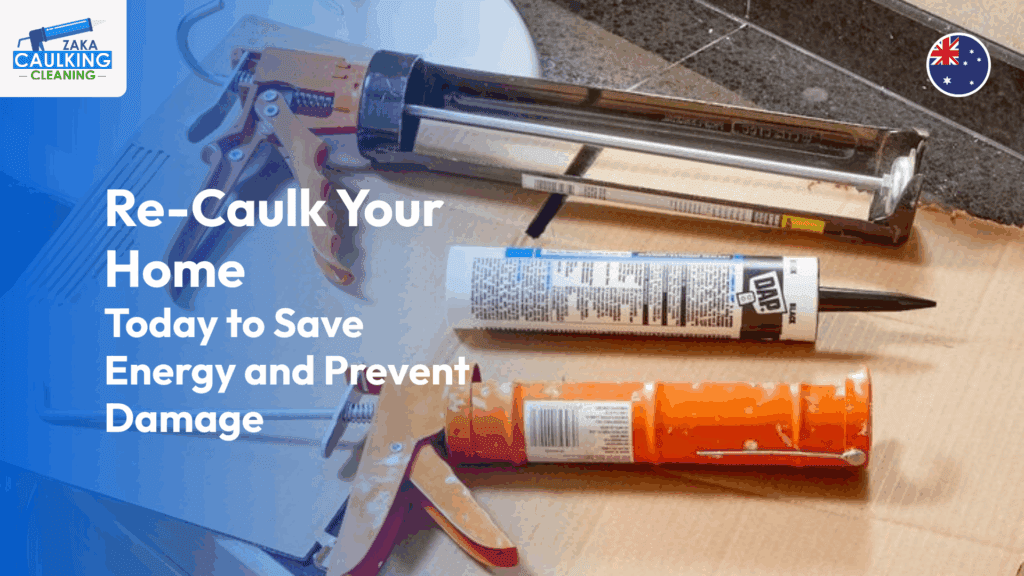
Re-caulk your home to prevent drafts, moisture, and pests. Though often overlooked in home maintenance, caulking plays a critical role in safeguarding your home. As caulk deteriorates, air and water can seep in, leading to higher energy costs, water damage, and pest infestations. This raises an important question: ‘How often should you re-caulk your home to keep it efficient, comfortable, and safe?‘ By the time you reach the bottom, you’ll know why caulking is essential, how often you should caulk, and the right ways to caulk to get the most out of your home in terms of cost, energy efficiency, and security. Why Re-Caulk Your Home? The Benefits of Fresh Caulk Re-caulking is more than just a cosmetic fix. Here are some of the most significant benefits of keeping your caulk in top condition: Save Money on Energy Bills Caulk helps in preventing air leaks around doors, windows, and other exposed areas of your house. Preventing warm or cool air from spreading, you minimize the use of heating and air conditioning, saving energy costs. This is especially important in extreme climates because energy use is very high in the winter and summer. At Zaka Caulking & Cleaning, we specialize in sealing gaps around your home to improve energy efficiency, reduce heating and cooling costs, and enhance your overall home comfort. Prevent Moisture and Water Damage Over time, old caulk can crack or peel, allowing moisture to seep into walls, floors, and ceilings. Mold, mildew, and even structural damage can result from this dampness. Properly applied caulk creates a waterproof barrier that protects your home from rain, humidity, and plumbing leaks. Protect Your Home from Pests Caulk is a great solution for sealing up those holes and fissures through which creatures, like bugs and rats, can enter. Secure these access points to keep pests from entering and infesting your home, making it a more comfortable environment. How Often Should You Re-Caulk Your Home? The simple answer is: every 5 years for most areas. However, the frequency of re-caulking can vary depending on several factors, such as the type of caulk, environmental conditions, and the areas being caulked. Factors That Influence Caulking Lifespan: Climate: More frequent caulking may be necessary for homes in regions with significant temperature swings or excessive humidity. Material Type: Silicone caulk is longer-lasting than polyurethane or acrylic caulk.. Silicone can last up to 20 years, while acrylic may need reapplication every 5 to 10 years. Exposure to Water: Rooms that are frequently exposed to moisture, such as bathrooms, kitchens, and exterior walls, will require re-caulking sooner. Signs That You Need to Re-Caulk Your Home When to replace the caulk? Look out for these warning signs: Cracks or Peeling Caulk: When the caulk begins to crack or peel off the surface, it is no longer doing its job at sealing. Visible Mold or Mildew: Mold growth around the caulk indicates moisture is getting through and that the caulk needs to be replaced. Air Leaks: Feeling drafts around windows or doors could mean your caulk has worn down, leading to energy loss. Water Stains: If the wall around your windows has signs of water damage or there’s mildew around doors or window-casing openings, you need to re-caulk. How to Check for and Re-Caulk Your House Step 1: Inspect Caulked Areas Before using fresh caulk, you should check your old caulk. Inspect for cracks, peeling, or any damage. Try using a tool knife or a screwdriver to crack the caulk. If it peels off easily, it’s time to change things up. Step 2: Clean the Surface Before caulking, make sure the surface is dry and clean. Rinse to remove dirt, dust, or old sealant and let it dry thoroughly. This ensures good adhesion for the new caulk. Step 3: Apply the New Caulk Cut the Caulk Tube: Make a 45º cut at the tube’s tip using a caulk gun. This makes it possible to apply the caulk with exact control. Apply the Caulk: The caulk gun should be moved slowly down the seam to fill the space. Apply a consistent bead without going overdone. Smooth the Caulk: Smooth the caulk over the opening with a moist rag. This gives a professional touch. Let It Dry: It will depend on the manufacturer’s instructions for dry time. No water exposure until caulk is cured. Creative Ways to Caulk It’s not only about sealing windows and doors. Here are some unique ways to use caulk around your home: Soundproofing Another method to reduce sound transmission is to fill the spaces around windows, doors, and wall openings with acoustical caulk. This is perfect for houses in noisy neighborhoods or for anyone else seeking a little peace. Furniture Repairs Caulk can also be used to repair minor cracks or gaps in furniture. It’s especially useful for fixing wooden furniture joints that have loosened over time. Custom Projects If you’re into DIY projects, caulking can help seal seams in custom-built furniture or home decor items. It produces a polished, seamless surface that improves the appearance all around. The Environmental Impact of Proper Caulking Properly maintaining your home’s caulk can contribute to energy savings and lower your carbon footprint. You can immediately contribute to energy conservation by reducing the amount of energy required to heat or cool your house by caulking gaps.. Choosing eco-friendly caulk options can also help protect the environment. When to Call a Professional Caulking Contractor While DIY caulking is manageable, there are situations where it’s best to call in a professional caulking contractor. At Zaka Caulking & Cleaning, we specialize in both internal and external caulking for residential and commercial properties. Here’s when you might need our expertise: Difficult-to-reach areas: High ceilings or windows in hard-to-access areas may require specialized equipment. Large-scale re-caulking: If your entire home needs re-caulking or there are significant structural issues, professional help can ensure the job is done right. Expert advice: A professional can recommend the best caulk for specific areas and apply it correctly for maximum durability.